
AI Współpracownik vs AI Agent: Jaka jest różnica i czego tak naprawdę potrzebujesz?
Jednoagentowe wykonawcy zadań vs skoordynowane zespoły AI — praktyczny przewodnik po wyborze odpowiedniej architektury dla Twojego zespołu
 Douglas Lai
AI Współpracownik vs AI Agent: Jaka jest różnica i czego tak naprawdę potrzebujesz?
Jeśli w 2026 roku oceniasz narzędzia AI dla swojego zespołu, prawie na pewno natknąłeś się na dwa terminy używane zamiennie: „AI agent” i „AI coworker”. Dostawcy swobodnie stosują oba określenia, często opisując nimi bardzo różne produkty. To zamieszanie jest realne — i ma znaczenie, ponieważ wybór niewłaściwej architektury dla Twojego workflow oznacza zmarnowany budżet, sfrustrowane zespoły i AI, które nie dowozi wyników.
Oto praktyczny podział. Bez hype'u, bez żargonu. Tylko jasne porównanie tego, czym naprawdę są AI agenci i AI współpracownicy, czym różnią się architektonicznie i które rozwiązanie pasuje do pracy, którą chcesz wykonać.
Definiowanie pojęć
Zanim porównamy rozwiązania, potrzebujemy jasnych definicji. Branża mocno rozmyła te kategorie, więc bądźmy precyzyjni.
Czym jest AI agent?
AI agent to system, który może podejmować autonomiczne działania w celu osiągnięcia celu. W przeciwieństwie do chatbota, który jedynie generuje tekst, agent może przeglądać internet, pisać i uruchamiać kod, czytać pliki, wywoływać API oraz współpracować z narzędziami — wszystko bez krok po kroku wydawanych instrukcji przez człowieka.
Kluczowe cechy AI agenta to autonomia (sam decyduje, jakie działania podjąć), korzystanie z narzędzi (wchodzi w interakcję z zewnętrznymi systemami) oraz orientacja na cel (pracuje nad zdefiniowanym rezultatem, zamiast odpowiadać na pojedyncze prompty).
Większość dzisiejszych AI agentów to systemy jednoagentowe. Jeden model, jeden wątek, jedno zadanie naraz. Produkty takie jak Claude Code, AutoGPT, Devin i Codex OpenAI działają w tym modelu. Są potężne w swoim zakresie, ale z natury sekwencyjne — obsługują jeden strumień pracy i wymagają od Ciebie orkiestracji wszystkiego, co bardziej złożone.
Czym jest AI coworker?
AI coworker to skoordynowany system wielu wyspecjalizowanych agentów, którzy pracują razem jak zespół. Zamiast jednego ogólnego agenta wykonującego wszystko sekwencyjnie, platforma AI coworker wdraża „siłę roboczą” agentów — każdy z określoną rolą — którzy wykonują zadania równolegle, dzielą się kontekstem i automatycznie przekazują sobie pracę.
Kluczowe cechy AI coworkera to koordynacja wielu agentów (wielu agentów pracujących równolegle), specjalizacja (agenci zoptymalizowani pod konkretne zadania, takie jak kodowanie, przeglądanie internetu czy przetwarzanie dokumentów), orkiestracja (automatyczny system, który dekomponuje zadania, kieruje podzadania i integruje wyniki) oraz desktop-native interface, który daje Ci wgląd w to, co robi każdy agent.
AI coworker to nie tylko „AI agent z przyjazną nazwą”. To krok do przodu w architekturze — różnica między zatrudnieniem jednego wszechstronnego freelancera a zbudowaniem skoordynowanego zespołu.
Kluczowa różnica architektoniczna
To najważniejsze rozróżnienie między AI agentami a AI coworkerami, a wszystko inne wynika właśnie z niego.
AI agenci: jeden mózg, jeden wątek
Pojedynczy AI agent otrzymuje Twoje zadanie, analizuje je i wykonuje kroki sekwencyjnie. Jeśli poprosisz go o zbadanie konkurencji, stworzenie arkusza kalkulacyjnego i napisanie podsumowania, zrobi te rzeczy jedna po drugiej w jednym wątku przetwarzania. Jeśli krok drugi zależy od kroku pierwszego, czeka. Jeśli krok trzeci mógłby zacząć się równolegle, i tak czeka.
Oznacza to, że łączny czas realizacji to suma wszystkich kroków. W przypadku prostych, skupionych zadań to działa dobrze. Przy złożonych workflowach wieloetapowych tworzy to wąskie gardło, którego nie da się usunąć samą inteligencją modelu — ponieważ ograniczenie jest architektoniczne, a nie poznawcze.
AI coworkerzy: wielu specjalistów, równoległe wykonanie
Platforma AI coworker dekomponuje Twoje zadanie i przydziela podzadania wyspecjalizowanym agentom, którzy działają jednocześnie. Agent Browser bada konkurencję, podczas gdy Agent Document tworzy szablon arkusza, a trzeci agent zaczyna przygotowywać strukturę podsumowania. Gdy pojawiają się wyniki badań, przepływają one do innych agentów w czasie rzeczywistym.
Łączny czas realizacji jest wtedy bliższy czasowi wykonania najdłuższego podzadania niż sumie wszystkich podzadań. W workflowach składających się z trzech, pięciu czy dziesięciu kroków — a tak wygląda większość realnej pracy biznesowej — to ogromna różnica.
Najprościej można to ująć tak: AI agent to pojedynczy, utalentowany pracownik. AI coworker to skoordynowany zespół.
Porównanie funkcja po funkcji
Rozbijmy różnice według wymiarów, które mają największe znaczenie przy wyborze między AI agentem a AI coworkerem.
1. Model wykonywania zadań
AI Agent: Wykonanie sekwencyjne. Jedno zadanie naraz, jeden wątek, jedno okno kontekstu. Złożone workflow wymagają ręcznego łączenia zadań albo czekania, aż każdy krok się zakończy, zanim rozpocznie się następny. Niektóre agenty obsługują „tool use” w ramach jednego wątku, ale przetwarzanie nadal jest szeregowe.
AI Coworker: Wykonanie równoległe z orkiestracją. Orkiestrator zadań dekomponuje pracę, przydziela podzadania wyspecjalizowanym agentom, zarządza zależnościami i integruje wyniki. Wiele strumieni pracy działa jednocześnie, a agenci dzielą się kontekstem w miarę postępu.
Werdykt: W przypadku wszystkiego, co wykracza poza jednoetapowe zadanie, koordynacja wielu agentów daje szybsze rezultaty i lepszą jakość. Im bardziej złożony workflow, tym większa różnica.
2. Specjalizacja vs ogólność
AI Agent: Jeden model robi wszystko. Ten sam agent, który pisze kod, czyta dokumenty, przegląda internet i formatuje arkusz. To działa, ale agenci ogólnego przeznaczenia idą na kompromisy — nie można ich zoptymalizować jednocześnie pod każdy typ zadania.
AI Coworker: Dedykowani agenci do każdego typu zadania. Agent Developer jest zoptymalizowany pod kod. Agent Browser jest zoptymalizowany pod research internetowy. Agent Document jest zoptymalizowany pod przetwarzanie plików. Agent Multi-Modal radzi sobie z obrazami i danymi wizualnymi. Każdy specjalista jest lepszy w swojej roli niż byłby w niej generalista.
Werdykt: Specjalizacja daje wyższą jakość wyników. Zespół specjalistów przewyższa pojedynczego generalistę w zróżnicowanych, wielodomenowych zadaniach — tak jak w ludzkiej organizacji.
3. Interfejs i doświadczenie użytkownika
AI Agent: Zazwyczaj oparty na czacie lub CLI. Wchodzisz w interakcję przez prompt tekstowy, a wyniki wracają jako tekst w wątku rozmowy. Niektóre agenty dodają wyjścia plikowe lub przeglądanie internetu, ale podstawowy interfejs pozostaje konwersacyjny.
AI Coworker: Desktop-native z wizualnym monitorowaniem workflow. Widzisz panel zadań pokazujący status każdego agenta, używane narzędzia i wyniki pośrednie. Punkty akceptacji human-in-the-loop pozwalają Ci sprawdzać i przekierowywać pracę w kluczowych momentach. Interfejs jest zaprojektowany do zarządzania workflow, a nie do prowadzenia rozmów.
Werdykt: Jeśli chcesz szybkiej odpowiedzi, czat wystarczy. Jeśli chcesz zarządzać złożoną pracą z widocznością i kontrolą, desktop-native interfejs workflow to skok jakościowy.
4. Elastyczność modeli
AI Agent: Często przywiązany do jednego dostawcy modelu. Claude Code używa Claude. Codex używa GPT. Devin używa własnych modeli. Zmiana dostawcy oznacza zwykle zmianę całego produktu.
AI Coworker: Z założenia model-agnostic. Różni agenci mogą korzystać z różnych modeli — Claude do złożonego rozumowania, GPT do generowania kodu, Gemini do zadań multimodalnych, lokalne modele przez Ollama do pracy wrażliwej pod kątem prywatności. Wybierasz najlepszy model do każdej roli i możesz go zmienić bez zmiany platformy.
Werdykt: Agnostyczność względem modeli pomaga uniknąć vendor lock-in i pozwala optymalizować koszt oraz wydajność dla każdego zadania osobno. Gdy modele się poprawiają, a ceny zmieniają — co dzieje się stale — elastyczność zwraca się sama.
5. Rozszerzalność
AI Agent: Ograniczony do tego, co zbuduje dostawca. Niektóre agenty obsługują wtyczki lub integracje z narzędziami, ale rozszerzalność jest zwykle ograniczona do ekosystemu dostawcy i jego cyklu aktualizacji.
AI Coworker: Systemy skills i otwarte protokoły. Platformy AI coworker, takie jak Eigent, obsługują aktywowane językiem naturalnym skills, które użytkownicy mogą budować, udostępniać i dostosowywać. Dzięki ponad 200 integracjom MCP (Model Context Protocol) platforma łączy się praktycznie z każdym narzędziem — Slack, GitHub, Google Drive, bazy danych, niestandardowe API — bez czekania, aż dostawca zbuduje każdą integrację.
Werdykt: Rozszerzalność decyduje o tym, jak dobrze platforma rośnie wraz z Twoimi workflowami. System oparty na skills, obsługujący otwarte protokoły, jest wyraźnie bardziej elastyczny niż zamknięty ekosystem wtyczek.
6. Prywatność i wdrożenie
AI Agent: Głównie cloud-only. Twoje prompty, pliki i dane przepływają przez infrastrukturę dostawcy. Dla zespołów enterprise z wymaganiami compliance może to być rozwiązanie nie do przyjęcia.
AI Coworker: Opcje wdrożenia local-first. Open-source’owe platformy AI coworker mogą działać całkowicie na Twojej infrastrukturze — Twoje dane nie opuszczają Twoich maszyn, chyba że celowo wyślesz je do dostawcy modeli w chmurze. To kluczowe dla branż regulowanych, danych własnościowych i zespołów, które poważnie traktują suwerenność danych.
Werdykt: Jeśli prywatność danych ma znaczenie — a dla większości organizacji powinna — local-first, open-source’owe wdrożenie to przewaga strukturalna, której cloud-only agenci nie mogą dorównać.
7. Struktura kosztów
AI Agent: Ceny subskrypcyjne, zwykle per użytkownik miesięcznie. Koszty rosną liniowo wraz z wielkością zespołu, niezależnie od wykorzystania. Pakiety premium z zaawansowanymi funkcjami mogą kosztować $75–200+/month na stanowisko.
AI Coworker: Open-source’owe platformy, takie jak Eigent, są darmowe we wdrożeniu — płacisz tylko za inference modelu (koszty API u dostawców takich jak Anthropic, OpenAI czy Google) oraz własną infrastrukturę. Oznacza to, że koszty skalują się wraz z rzeczywistym użyciem, a nie z liczbą pracowników, i możesz optymalizować wydatki, strategicznie dobierając modele.
Werdykt: W przypadku zespołów większych niż kilka osób model open-source coworker jest znacznie bardziej opłacalny. Oszczędności rosną wraz z rozmiarem zespołu.
Szybka tabela porównawcza
| Wymiar | AI Agent | AI Coworker |
|---|---|---|
| Architektura | Jeden agent, sekwencyjnie | Wielu agentów, równolegle |
| Obsługa zadań | Jeden wątek naraz | Orkiestracja równoległych strumieni pracy |
| Specjalizacja | Generalista | Dedykowani specjaliści dla każdej domeny |
| Interfejs | Czat / CLI | Desktop-native UI workflow |
| Obsługa modeli | Zwykle jeden dostawca | Model-agnostic, dowolne kombinacje |
| Rozszerzalność | Wtyczki kontrolowane przez dostawcę | System skills + ponad 200 narzędzi MCP |
| Wdrożenie | Tylko chmura | Local-first, opcja self-hosted |
| Prywatność | Dane przepływają przez dostawcę | Dane pozostają na Twojej infrastrukturze |
| Cennik | Subskrypcja per użytkownik | Darmowy (open source) + koszty inference |
| Najlepsze zastosowanie | Skupione, jednodomenowe zadania | Złożone workflow wieloetapowe |
Kiedy wybrać AI agenta
AI agenci nie są przestarzali — są właściwym narzędziem do konkretnych przypadków użycia. Wybierz pojedynczego AI agenta, gdy Twoja praca koncentruje się na jednej domenie (np. czyste kodowanie lub czyste pisanie), gdy zadania są samodzielne i nie obejmują wielu narzędzi, gdy potrzebujesz szybkiego, lekkiego rozwiązania bez narzutu konfiguracji albo gdy jesteś pojedynczym użytkownikiem z prostymi potrzebami automatyzacji.
Jeśli Twoja praca mieści się czysto w możliwościach jednego agenta — a wiele workflow tak właśnie działa — nie ma potrzeby dodawać złożoności koordynacji wielu agentów. Dobrze dopracowany pojedynczy agent obsługujący skupione zadania poradzi sobie lepiej niż system wieloagentowy w prostych, wąskich zadaniach.
Kiedy wybrać AI coworkera
Wybierz platformę AI coworker, gdy Twoje workflow obejmują wiele narzędzi, źródeł danych i typów wyników, gdy zadania łączą research, analizę, tworzenie i formatowanie w jednym procesie, gdy potrzebujesz równoległego wykonania, aby dotrzymać terminów, gdy prywatność danych i lokalne wdrożenie są wymaganiami, gdy chcesz uniknąć vendor lock-in dzięki elastyczności model-agnostic, albo gdy Twój zespół potrzebuje widoczności i kontroli nad tym, co robi AI, poprzez checkpointy human-in-the-loop.
Wzorzec jest prosty: im bardziej złożona i międzyfunkcyjna jest Twoja praca, tym większą wartość daje skoordynowane wykonywanie przez wiele agentów.
Praktyczny przykład
Rozważmy typowy workflow biznesowy: przygotowanie analizy konkurencji na kwartalny przegląd.
Z pojedynczym AI agentem musiałbyś poprosić go o zbadanie konkurenta A, poczekać na wyniki, następnie poprosić o zbadanie konkurenta B, znowu czekać, potem poprosić o złożenie wniosków w arkusz kalkulacyjny, a następnie o przygotowanie executive summary. Każdy krok odbywa się sekwencyjnie. Ty zarządzasz przekazaniem pracy, kopiujesz i wklejasz między etapami oraz składasz końcowy rezultat. Łączne aktywne zaangażowanie: wysokie. Łączny czas: suma wszystkich kroków.
Z platformą AI coworker opisujesz całość raz: „Zbadaj naszych pięciu najważniejszych konkurentów, zbierz kluczowe metryki do porównawczego arkusza kalkulacyjnego i przygotuj jednostronicowe executive summary.” Orkiestrator dekomponuje to na równoległe strumienie pracy. Agenci Browser jednocześnie badają wszystkich pięciu konkurentów. Agent Document buduje arkusz, gdy napływają dane. Agent do pisania przygotowuje podsumowanie, uwzględniając bieżące wyniki. Monitorujesz postęp w wizualnym panelu zadań, zatwierdzasz końcowe wyniki na checkpointcie i otrzymujesz gotowe pliki na swoim desktopie. Łączne aktywne zaangażowanie: minimalne. Łączny czas: mniej więcej czas najdłuższego podzadania.
Ten sam cel, fundamentalnie inne doświadczenie.
Rynek zmierza w stronę koordynacji
Trajektoria narzędzi AI z ostatnich trzech lat pokazuje jasną historię. Zaczęliśmy od chatbotów (konwersacyjnych, bezstanowych). Przeszliśmy do copilots (osadzonych w pojedynczych aplikacjach). Następnie rozwinęliśmy się do agentów (autonomicznych, korzystających z narzędzi). A teraz dochodzimy do AI coworkerów (skoordynowanych, wieloagentowych, desktop-native).
Każdy krok dodaje możliwość, której brakowało poprzedniemu paradygmatowi. Chatboty dodały inteligencję. Copiloty dodały kontekst. Agenci dodali autonomię. Coworkerzy dodają koordynację — możliwość dekompozycji złożonej pracy, przydzielania jej specjalistom i zarządzania workflow od początku do końca.
To nie oznacza, że agenci znikają. Agenci są blokami konstrukcyjnymi AI coworkerów. Każda platforma AI coworker jest zbudowana na zdolnych, indywidualnych agentach. Pytanie brzmi, czy ci agenci pracują sami, czy razem — a w przypadku złożonych, realnych zadań praca zespołowa prawie zawsze wygrywa.
Open source ma większe znaczenie, niż myślisz
Jednym z najważniejszych wydarzeń w obszarze AI coworkerów jest pojawienie się platform open-source. Eigent, zbudowany na licencji Apache 2.0, to w pełni open-source’owa, wieloagentowa platforma AI coworker działająca na Twoim desktopie z local-first przetwarzaniem danych.
Dlaczego open source jest szczególnie ważny właśnie w przypadku AI coworkerów? Ponieważ systemy wieloagentowe są z natury bardziej złożone niż pojedyncze agenty, a złożoność wymaga przejrzystości. Gdy wiele agentów koordynuje działania, podejmuje decyzje i równolegle korzysta z Twoich narzędzi, potrzebujesz możliwości audytu tego, co robią. Własnościowi, zamknięci AI coworkerzy proszą Cię o zaufanie do czarnej skrzynki. Platformy open-source pozwalają to zweryfikować.
Poza przejrzystością open source oznacza brak opłat licencyjnych (płacisz tylko za inference modelu), pełną personalizację (forkuj, rozszerzaj, dostosuj do siebie), rozwój napędzany przez społeczność (funkcje wynikające z realnych potrzeb użytkowników) oraz bezpieczeństwo klasy enterprise z wbudowanymi SSO, RBAC i audit logging.
Dla zespołów oceniających dziś rozwiązania AI agentów model open-source AI coworkera oferuje najlepsze połączenie możliwości, kontroli i efektywności kosztowej.
Najważniejsze wnioski
AI agenci i AI coworkerzy to nie to samo pod inną nazwą. Reprezentują różne architektury, różne doświadczenia użytkownika i różne poziomy możliwości w złożonej pracy.
AI agenci są jedno wątkowi, sekwencyjni i zoptymalizowani pod skupione zadania. To właściwy wybór, gdy Twoja praca jest wąska i samodzielna. AI coworkerzy są wieloagentowi, równolegli i orkiestrujący. To właściwy wybór, gdy Twoja praca jest złożona, międzyfunkcyjna i obejmuje wiele narzędzi.
Branża zmierza w stronę koordynacji, ponieważ prawdziwa praca tego wymaga. Jeśli korzystałeś z pojedynczych AI agentów i doszedłeś do sufitu — jeśli zauważasz, że zarządzasz przekazywaniem pracy, składasz wyniki w całość i pełnisz rolę project managera dla swojego AI — to znak, że wyrosłeś już z paradygmatu jednego agenta.
AI coworkerzy to kolejny krok. A dzięki platformom open-source, które czynią ich dostępnymi bez budżetów enterprise, nigdy nie było lepszego momentu na tę zmianę.
Recent Posts
Przenośna Pamięć Agenta: Przenoś Kontekst Między Claude Code, Cursor, Codex i Gemini
Dowiedz się, jak przenośna pamięć agenta przenosi kontekst między Claude Code, Cursor, Codex i Gemini, jakie podejścia ją napędzają i jak uniknąć uzależnienia od dostawcy.
 Eigent
Gemini 4 Argon: Co nowego, benchmarki i cennik
Gemini 4 Argon to model frontier od Google przeznaczony do zadań długoterminowych. Sprawdź co nowego, benchmarki, cennik, limit 1M tokenów wyjściowych i kto otrzyma dostęp jako pierwszy.
Eigent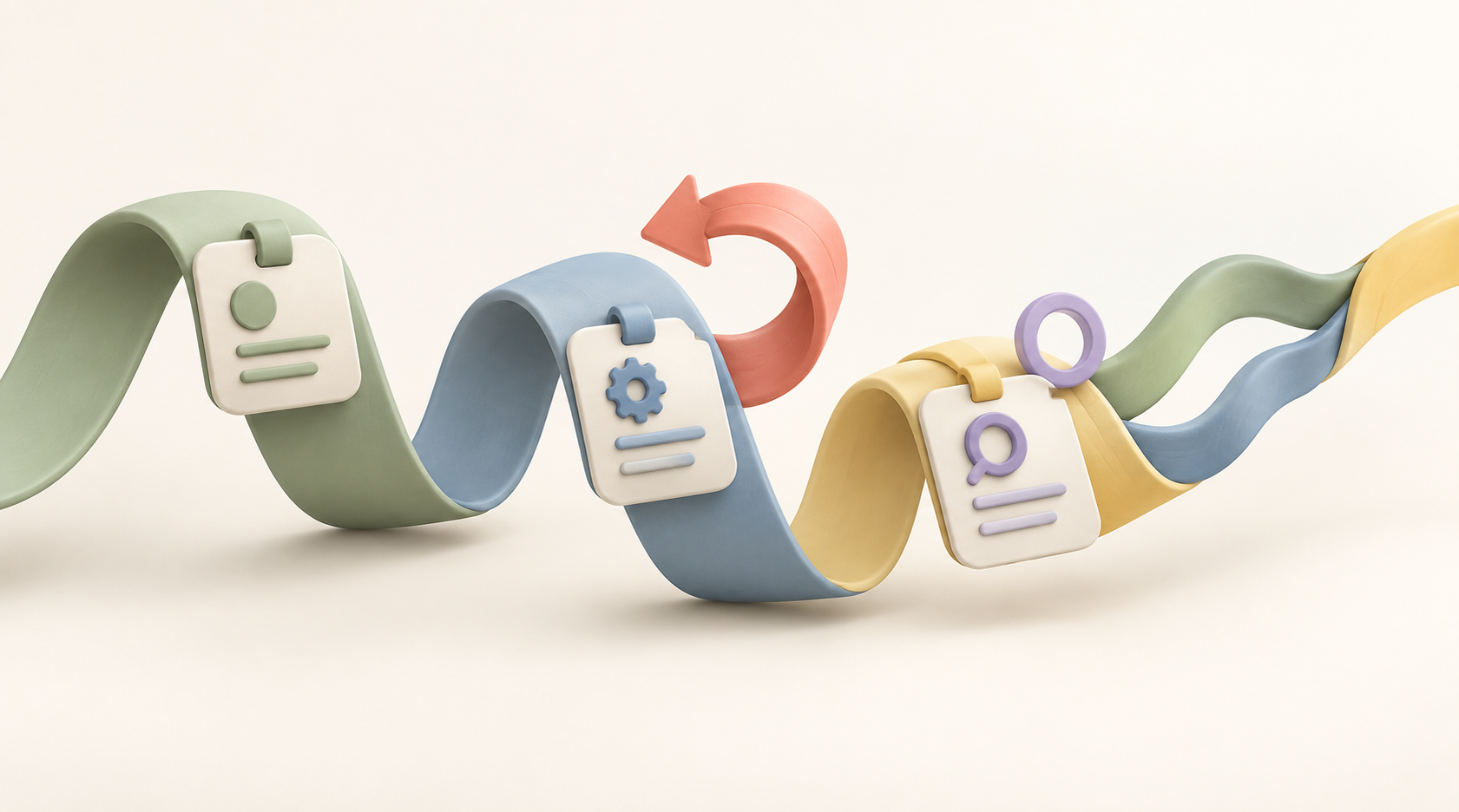
Eigent Release Notes v1.0.5: Session Recovery, Task Queues & Better Previews
Eigent v1.0.5 improves Session recovery, task queues, process and file previews, Space settings, and model support.
Douglas Lai


